A Vung Tau trip from Ho Chi Minh City costs more than the ride to the coast. Build your budget from transport, food, accommodation if you stay overnight, activities and a small reserve for changes.
The total depends on your group and itinerary, so start with the current fare table rather than an old price quoted in an article.
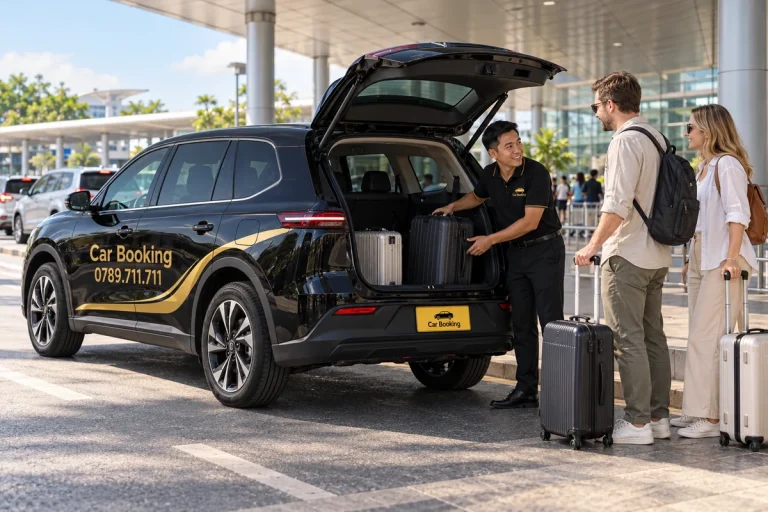
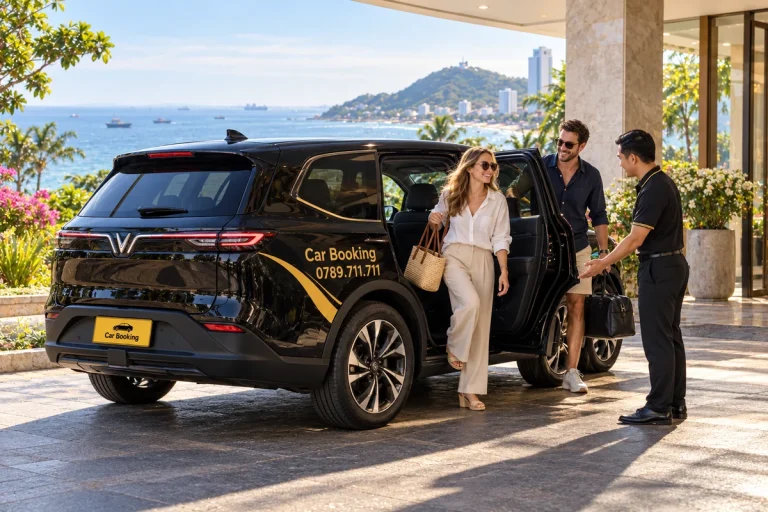
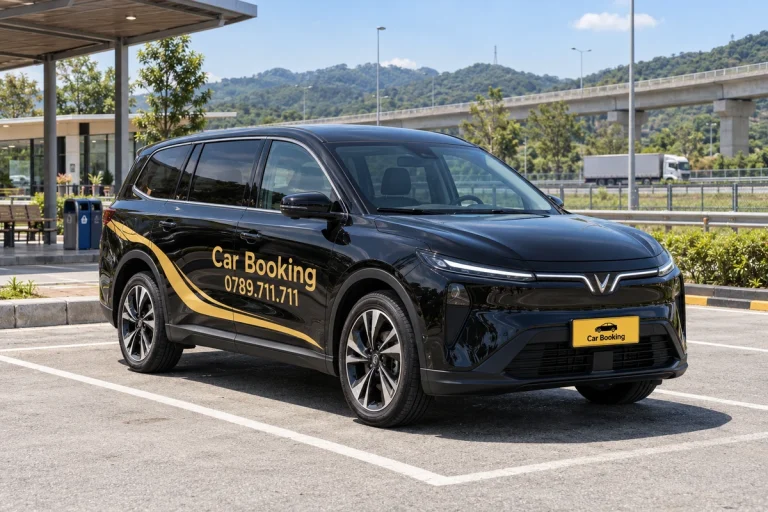
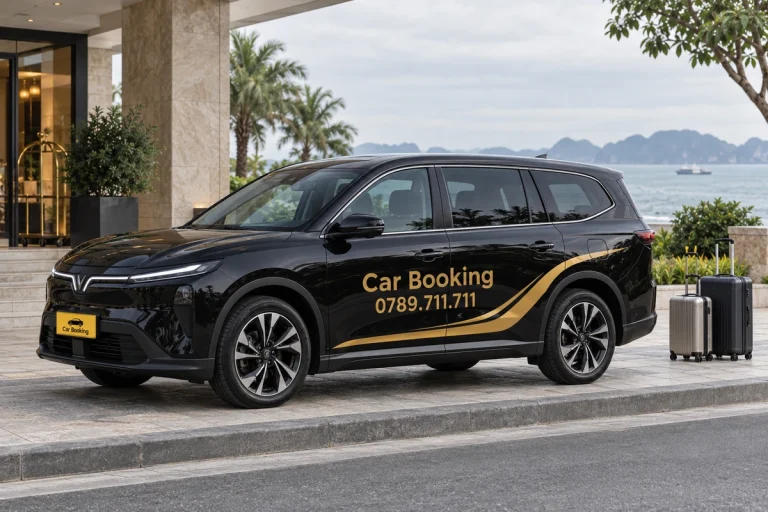
For the journey itself, the Ho Chi Minh City–Vung Tau route shows the vehicles and route details.
This guide helps you turn that transport choice into a realistic whole-trip budget.
What goes into a Vung Tau trip budget?
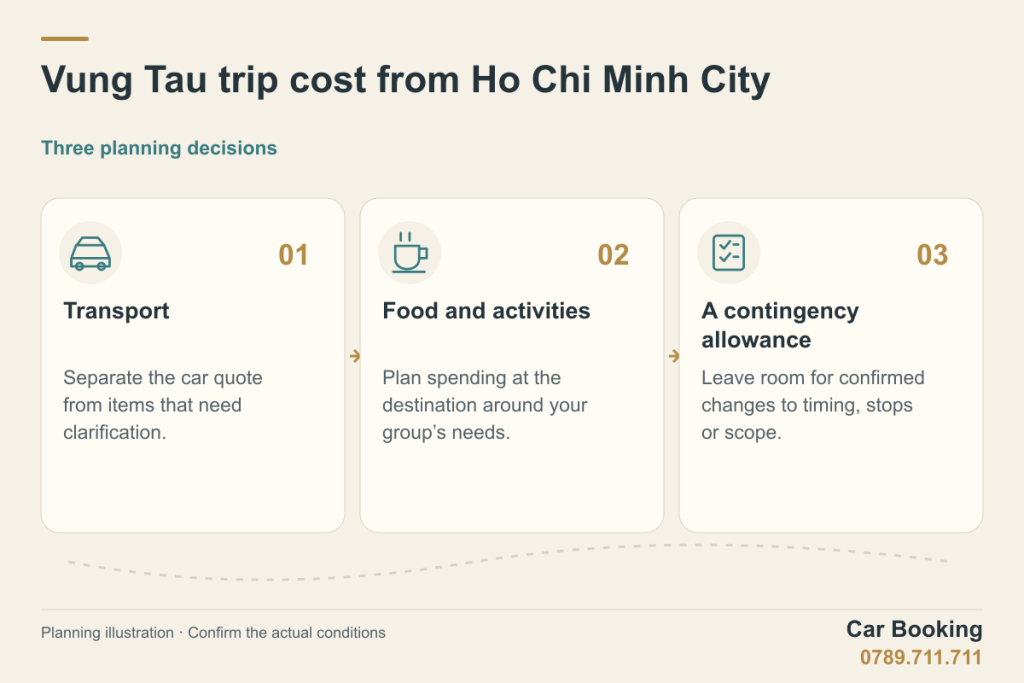
Write down the costs that your group will actually pay. A day trip may need only a vehicle, meals and activities; an overnight stay adds rooms and another day of food. Keep optional spending separate so it does not make a basic plan look more expensive than it is.
- Transport: the agreed outward and return journeys, plus local travel if you will need it.
- Food: meals, drinks and any seafood meal your group chooses to share.
- Accommodation: rooms, taxes and any conditions that apply to your dates.
- Activities: admission, equipment or other plans you have actually chosen.
- Reserve: money set aside for a change of plan, not an assumed charge.
A simple worksheet with those five lines is more useful than a single “average trip cost”. It also shows which choices can be changed if the total is too high.
Start with the current vehicle fare
Check the table for the Ho Chi Minh City–Vung Tau route, then ask for a quote that matches your pickup, drop-off, date, passenger count and luggage. A listed vehicle fare is a transport starting point, not a price for meals, rooms or a whole day with a car.
Route fare estimates
Ho Chi Minh City → Vung Tau · / vehicle · one-way trip
| Our vehicles | Fares | Book a car |
|---|---|---|
| 4-seat car | 1.000.000 ₫ (38 USD) | Book a car |
| 7-seat car | 1.200.000 ₫ (46 USD) | Book a car |
| Limousine | 2.400.000 ₫ (92 USD) | Book a car |
| Kia Carnival | 2.400.000 ₫ (92 USD) | Book a car |
Reference fare; CARBOOKING confirms the final price from the actual itinerary. VND and USD are listed separately, not converted. Where a hotline is shown, call for a quote.
If an option asks you to call, leave that line unfilled until you have a confirmed amount. For a return trip, extra stops, airport pickup or a vehicle kept for the day, ask for the complete arrangement rather than doubling a one-way fare.
Work out the group total and each person’s share
Add the costs paid by the group first. Then divide only the shared items among the people using them. A vehicle can be shared by everyone travelling in it, but a room used by two people or an individual activity ticket may need a different split.
For example, if friends share a car and a meal but book rooms separately, keep three lines: transport shared by the passengers, the shared meal, and each person’s own room. This avoids charging a day visitor for an overnight stay. Agree on the split before booking, especially when someone will travel only one way.
Use a per-person figure as a planning tool, not as a fare sold by the seat. The group still needs to confirm the actual vehicle and trip scope.
Day trip, overnight stay or car for the day?
These are different budgets. On a day trip, a return vehicle and meal plan often form the core. Staying overnight means checking room costs and the timing of the next day’s return. If you want the vehicle between the beach, lunch and other stops, list those movements when requesting the transport quote.
Choose your destinations before comparing transport options. Back Beach, Front Beach and a hotel elsewhere in the city are not interchangeable drop-off points. A precise address helps prevent a low-looking budget that omits the final leg.
Keep a useful reserve without guessing a percentage
There is no percentage that fits every group. Think about what could realistically change: another meal, indoor plans if it rains, or a later return. Set aside an amount your group is comfortable holding for those choices, and do not present it as part of a provider’s quote.
If your budget is tight, mark each item as essential or optional. You might keep the agreed vehicle and lodging while choosing a simpler activity plan. Cutting an item that matters to safety or accessibility, such as a suitable child seat or appropriate vehicle space, is not a sound saving.
Three ways to put the budget together
Friends going to the coast for a day
Confirm the group vehicle for the outward and return journeys. Add one meal and the activities everyone agrees to. Keep personal shopping and extra drinks outside the shared total. If the group wants the car available between stops, include that requirement in the transport enquiry.
Two couples staying overnight
Make a transport line for both travel days, then add each couple’s room separately. Check whether breakfast is included before adding it again. If one couple leaves earlier, ask how that changes the return arrangement before splitting the vehicle cost.
A family travelling with a child
Count the child, stroller and luggage when choosing a vehicle. Ask about a suitable restraint if needed. For the budget, separate the family’s shared transport and room from age-dependent meals or activity tickets; do not automatically assign a child an adult share of every item.
Budget check before you book
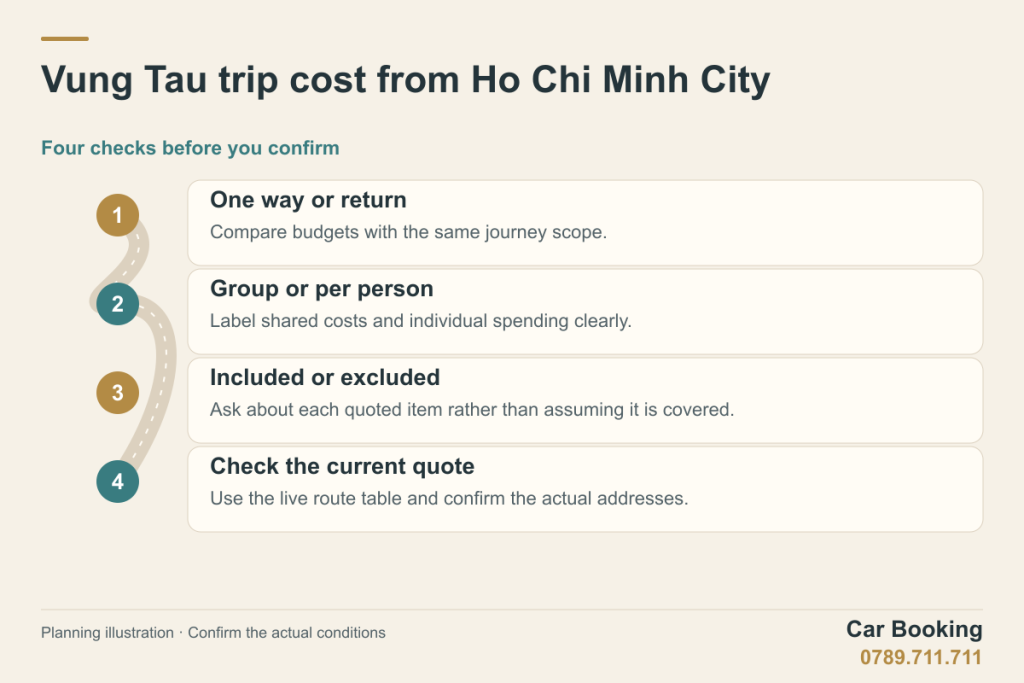
- Have you listed exact pickup and drop-off points for both directions?
- Does the transport quote cover the stops and waiting you want?
- Are rooms, meals and activity costs based on your actual dates and group?
- Have you separated shared costs from personal spending?
- Do you have a reserve for choices that might change?
For vehicle options, read comparing fares by vehicle class. If you are still shaping the day, a Vung Tau day-trip itinerary can help you decide how much time and movement to allow.
Frequently asked questions
Is there one typical total for a Vung Tau trip?
No. A day at the beach and an overnight stay have different costs, and even two day trips can differ in group size, vehicle, meals and activities. List your own plans to get a useful total.
Does the vehicle fare cover the whole trip?
It covers only the transport scope confirmed for that booking. Food, rooms and activities are separate unless the quotation explicitly says otherwise.
Can I double the one-way fare for a return?
Use it only as a rough worksheet placeholder. Confirm the return dates, times, addresses and any use of the vehicle between journeys before treating a transport amount as final.
What if the vehicle row says to call?
Ask for a quote for your group and itinerary. Do not borrow the fare from another vehicle class.
How do we avoid paying for the same thing twice?
Check what each booking includes. Breakfast included with a room should not also appear as a separate group meal; likewise, ask whether a stop is already part of the transport arrangement.
Once the budget lines are clear, confirm details for the Ho Chi Minh City–Vung Tau journey for the dates and addresses you intend to use.